
Exploring the psychology behind casino gambling behaviors
Understanding the Allure of Gambling
The attraction to casinos and gambling often stems from the thrill of uncertainty. Many people are drawn to the idea of striking it rich or winning big, despite the odds being stacked against them. This element of chance plays a significant role in human psychology, as individuals are hardwired to seek out risk and reward. The potential for immediate gratification can heighten the experience, making it hard to resist the allure of spinning a slot machine or placing a bet on a card game.
Addiction to gambling can often be linked to emotional fulfillment. For many, the act of gambling provides a temporary escape from daily life and its stresses. Engaging in these activities may generate excitement and euphoria, triggering the brain’s reward centers similar to the effects of drugs or alcohol. This connection contributes to a complex relationship between enjoyment and risk-taking in gambling.
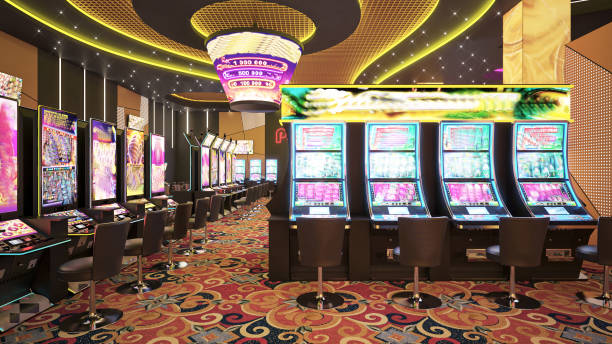
Moreover, the social aspect of gambling can amplify its allure. Many individuals enjoy visiting casinos with friends or family, where shared experiences and camaraderie can enhance the thrill. This social engagement combines with the adrenaline rush of gambling to create a multifaceted attraction that draws people back repeatedly.
The Role of Environment in Gambling Behavior
The casino environment itself is designed to stimulate and captivate visitors, crafting an atmosphere that encourages prolonged play. Bright lights, cheerful sounds, and enticing décor all play a role in enhancing the gambling experience. These sensory elements can create a sense of urgency, prompting visitors to continue playing even when they may have lost significant amounts of money. Understanding this environment can provide insights into why some individuals fall prey to compulsive gambling.
Furthermore, casinos often employ tactics that promote social interaction, such as group games and communal spaces. This aspect of the experience can enhance the enjoyment factor, leading gamblers to feel a sense of belonging and community within the casino. Such social dynamics may also contribute to increased spending and prolonged visits.

The strategic placement of gaming machines and tables further encourages players to stay longer. Casinos are often designed without clocks or windows, distorting a player’s sense of time and reinforcing the desire to gamble more. This manipulation of the environment is crucial in understanding how casinos can foster addictive behaviors.
The Influence of Cognitive Biases
Cognitive biases play an interesting role in gambling behaviors. Many gamblers exhibit a common misconception known as the “gambler’s fallacy,” where they believe that past events will influence future outcomes. For instance, they may assume that a losing streak will inevitably be followed by a win, leading them to chase their losses. This type of thinking often leads to irrational betting behavior.
Moreover, the illusion of control is another pervasive cognitive bias among gamblers. Players may feel they have power over the outcome, especially during games that involve skill elements, like poker. This belief can fuel continued play, as individuals often don’t recognize the randomness that governs many gambling activities.
In addition to these biases, the phenomenon of “near wins” can play a significant role in reinforcing gambling behavior. A near win—such as landing two of three symbols on a slot machine—can create a false sense of encouragement, misleading players into thinking they were close to winning, which can keep them engaged for longer periods.
The Psychology of Risk and Reward
The psychology of risk and reward is a vital aspect of understanding why people gamble. The excitement of potentially winning large sums can be intoxicating and often encourages players to take risks that seem illogical. The neurochemical reactions in the brain during gambling activities—like the release of dopamine—enhance feelings of pleasure, creating a strong association between risk-taking and reward-seeking.
Additionally, the sense of reaching personal goals, however unrealistic, can further compel individuals to engage in gambling behaviors. The possibility of turning a small bet into a life-changing win can overshadow the probability of loss, leading to impulsivity in decision-making. Understanding these psychological factors can clarify why people may continue gambling despite numerous negative consequences.
The thrill of victory, paired with the possibility of devastating loss, often creates a push-pull dynamic that can be hard to escape. This reward-predicting behavior can lead individuals down a dangerous path where they may wait for the next big win while ignoring the potential long-term consequences.
Explore More About Gambling Behavior
If you’re intrigued by the complexities of gambling behaviors and the psychology behind them, you may find numerous resources that delve deeper into this subject. Exploring the intersections of psychology, economic factors, and social influences might provide valuable insights.
To enhance your understanding of related topics or explore more about behavioral factors influencing various actions, check this site. Engaging with these resources can provide a rounded perspective on how psychological principles affect not only gambling behaviors but many aspects of decision-making.
In conclusion, the psychology of gambling is a multifaceted field that intertwines emotional, environmental, and cognitive elements. By examining these aspects, we can gain a deeper understanding of the motivations behind gambling and potentially pave the way for more effective interventions for those struggling with gambling addiction.